Women’s T20 World Cup Team Combination Strategy 2026
Posted on March 6, 2026 by admin
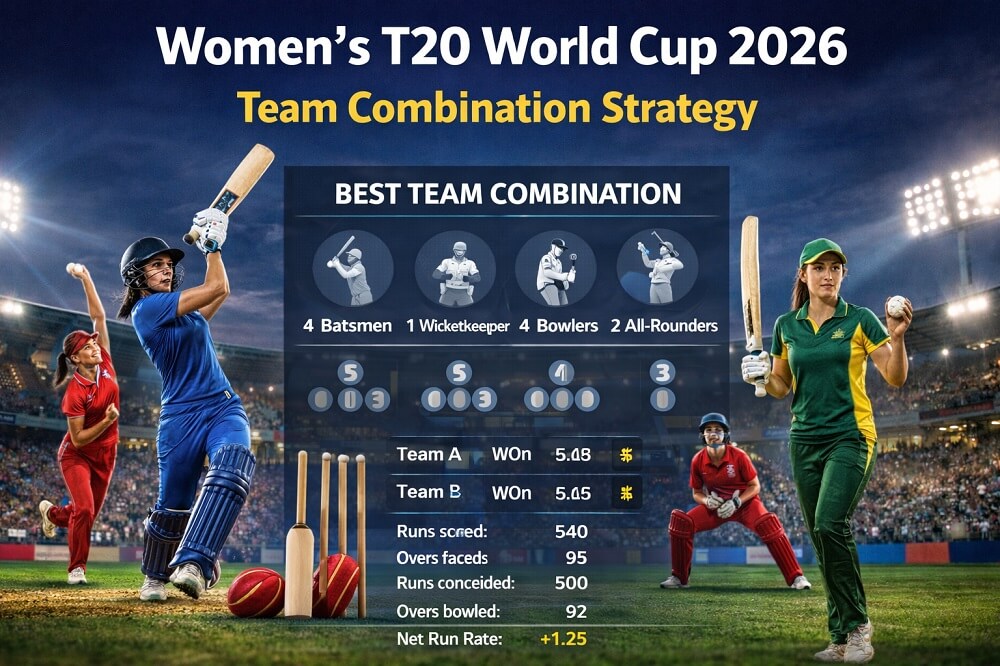
Squad Balance & Playing XI Analysis Guide
In the Women’s T20 World Cup 2026, team combination and squad balance will play a critical role in determining success.
While individual talent is important, tournament performance depends heavily on selecting the right mix of batters, bowlers, and all-rounders for each match.
A well-balanced squad allows teams to adapt to different pitches, weather conditions, and opponents.
For fans who follow tactical breakdowns and match engagement during international tournaments, platforms like Cricket Bet99 offer access through the Cricket Bet99 login portal for live cricket interactions.
This guide explains how team combination strategy works and why balance is essential in international T20 competitions.
What Is Team Combination?
Team combination refers to how players are structured within the playing XI.
It includes:
- Number of specialist batters
- Number of specialist bowlers
- All-rounders included
- Spin vs pace balance
- Role distribution
- Proper combination ensures flexibility across all match phases.
Importance of Squad Balance
Balanced teams can:
✔ Adapt to different venues.
✔ Handle injuries or form changes.
✔ Maintain stability in all innings phases.
✔ Rotate players without losing structure.
Squad depth improves long-term performance during tournament.
Common Team Combination Structures
1️⃣ Batting-Heavy Combination
Features:
- More specialist batters.
- Deep batting lineup.
- Strong total-setting ability.
Best suited for:
- Flat pitches.
- High-scoring conditions.
Risk:
- May reduce bowling depth.
2️⃣ Balanced Combination
Features:
- Equal focus on batting and bowling.
- Inclusion of all-rounders.
- Flexible structure.
- Most commonly used structure in T20 tournaments.
Provides adaptability across venues.
3️⃣ Bowling-Heavy Combination
Features:
- Additional specialist bowlers.
- Strong control options.
- Spin-friendly strategy.
- Best suited for:
- Slow surfaces.
- Turning pitches.
Risk:
- May struggle in high-scoring games.
Role of All-Rounders
All-rounders increase flexibility by:
- Contributing in both innings.
- Offering tactical bowling options.
- Providing batting depth.
Teams with quality all-rounders can adjust combination easily based on conditions.
Impact on Powerplay Phase
Team combination influences:
- Opening pair strength.
- New-ball bowling options.
- Strong powerplay combinations build early momentum.
Impact on Middle Overs
During overs 7–15:
- Spin depth becomes important.
- Strike rotation is crucial.
- Partnerships determine stability.
- Balanced teams manage this phase effectively.
Impact on Death Overs
Final overs require:
- Specialist bowlers.
- Experienced finishers.
- Combination planning must include players capable of handling high-pressure situations.
Venue-Based Combination Strategy
Team structure often depends on pitch conditions.
Flat pitch: Extra batter preferred.
Slow pitch: Additional spinner included.
Green surface: More pace options selected.
Adaptation increases performance consistency.
Squad Depth Importance
In long tournaments:
- Injuries may occur.
- Form may fluctuate.
- Player workload must be managed.
- Strong bench strength ensures continuity.
Depth allows tactical rotation without weakening team.
Leadership Role in Combination Decisions
Captains and coaching staff decide:
- Final playing XI.
- Tactical adjustments.
- Role assignments.
- Strategic leadership ensures balance across departments.
Match Situation Influence
Combination may change depending on:
- Opponent strengths.
- Weather forecast.
- Tournament stage.
- Flexibility improves competitiveness.
Common Combination Mistakes
❌ Overloading batting at slow venue.
❌ Ignoring death bowling depth.
❌ Not including enough spin options.
❌ Lack of all-rounders for flexibility.
Avoiding imbalance is crucial.
Statistical Perspective
Teams with:
- Consistent squad structure.
- Clear role definitions.
- Balanced lineup across matches.
- tend to perform more reliably in tournaments.
Balance reduces performance volatility.
Read More: Women’s T20 World Cup Net Run Rate Strategy
Tournament Strategy vs Match Strategy
In World Cup format:
- Teams may adjust combination for each opponent.
- Group stage allows experimentation.
- Knockout stage requires stability.
- Strategic planning improves overall results.
Long-Term Impact of Balance
Balanced squads:
✔ Handle different venues.
✔ Recover from setbacks.
✔ Maintain consistent performance.
✔ Improve qualification chances.
Combination planning directly affects tournament success.
Responsible Analytical Perspective
While squad balance is important:
- Execution still determines outcome.
- Match conditions can influence results.
- Individual brilliance may override structure.
- Combination improves probability — not guarantees.
Final Conclusion
Team combination strategy in Women’s T20 World Cup 2026 is essential for consistent performance.
Successful squads:
✔ Maintain batting depth.
✔ Include quality bowlers.
✔ Use all-rounders effectively.
✔ Adapt to pitch and weather conditions.
Balanced structure provides flexibility across all match phases — powerplay, middle overs, and death overs.
In international tournaments, squad depth and adaptability often determine championship success.
Frequently Asked Questions (FAQ)
1. Why is team combination important?
Because balanced structure improves adaptability and performance consistency.
2. What is the most common combination in T20?
Balanced structure with equal focus on batting and bowling.
3. Why are all-rounders valuable?
They provide flexibility in both departments.
4. Should team combination change by venue?
Yes, pitch conditions should influence playing XI selection.
5. Does squad depth matter in World Cup tournaments?
Yes, depth helps manage injuries and maintain stability.
